.png)
Summary
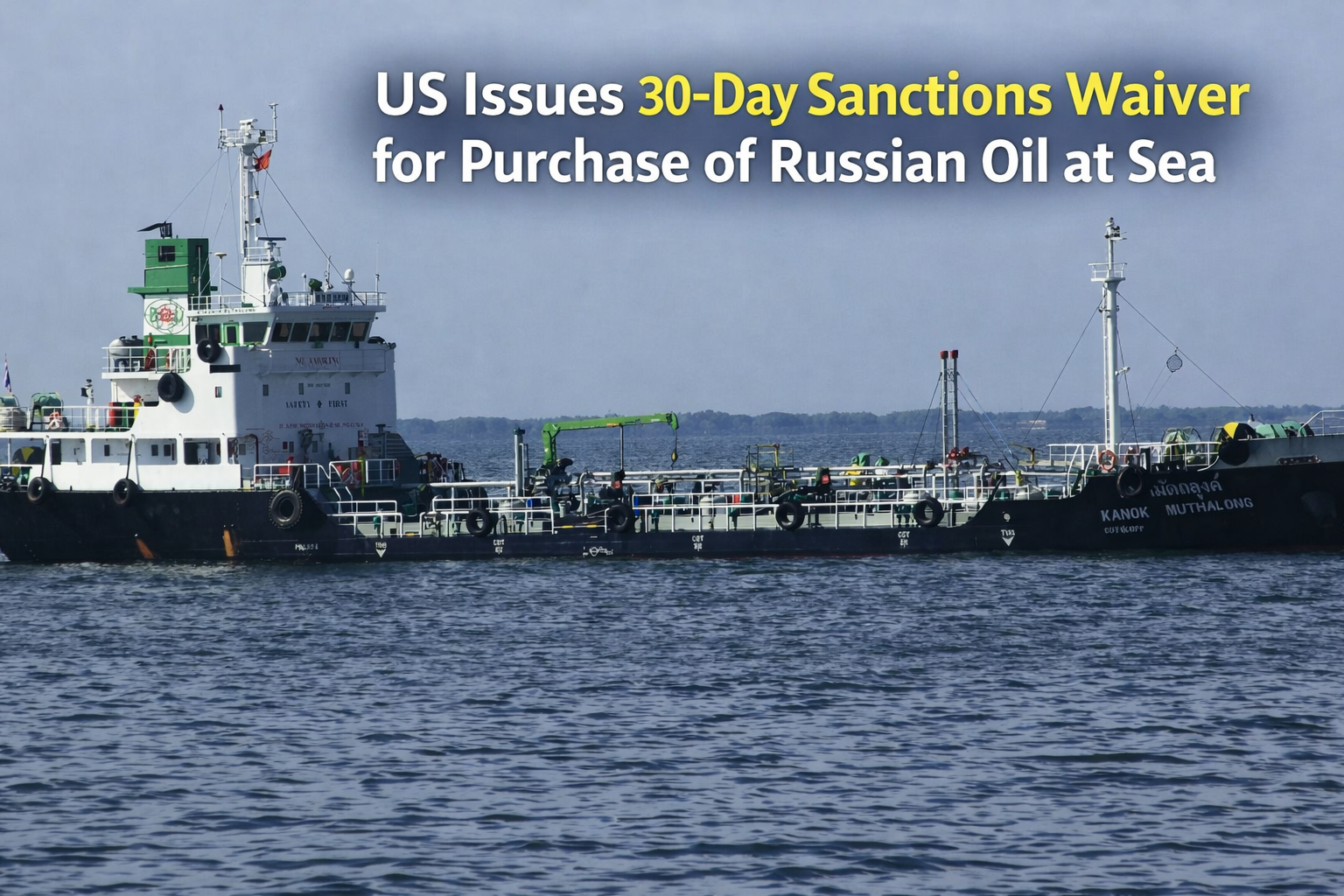
The United States government has issued a 30-day waiver to allow the purchase of Russian oil and petroleum products that are currently stuck at sea. This decision was made to help stabilize global energy markets, which have been severely disrupted by the ongoing conflict involving Iran. Treasury Secretary Scott Bessent explained that the move is a temporary step to manage rising fuel costs. By allowing this oil to reach the market, the US hopes to prevent energy prices from hurting the global economy.
Main Impact
The announcement had an immediate effect on the global economy, causing oil prices to drop in Asian markets on Friday morning. Before this decision, oil prices had climbed above $100 per barrel due to fears of a massive supply shortage. By releasing approximately 100 million barrels of oil back into the market, the US is attempting to provide relief to consumers and businesses. However, this move also creates a complicated political situation, as it temporarily eases the pressure on Russia during its ongoing war with Ukraine.
Key Details
What Happened
The US Treasury Department issued a formal license on Thursday that authorizes the delivery and sale of Russian crude oil. This permission applies specifically to oil and petroleum products that were already loaded onto transport ships on or before March 12. The waiver is strictly time-limited and is set to expire at midnight on April 11. This is the second time in less than two weeks that the Trump administration has adjusted sanctions to address the growing energy crisis.
Important Numbers and Facts
The waiver affects a massive amount of energy resources. Russian officials estimate that 100 million barrels of crude oil are involved, which is nearly equal to the entire world’s oil production for a single day. The International Energy Agency recently stated that the conflict in the Middle East has caused the largest oil supply disruption in history. This disruption was largely caused by military strikes on Iran, which stopped ships from moving through the Strait of Hormuz, a vital path for global oil trade.
Background and Context
This decision comes at a very sensitive time for the US government. With midterm elections scheduled for November, the administration is focused on keeping gas prices low for American voters. High energy costs often lead to higher prices for food and other goods, which can make voters unhappy. President Donald Trump and his team are trying to balance the need to punish Russia for the war in Ukraine with the need to keep the US economy strong. The recent military actions in the Middle East made this balance even harder to maintain as oil supplies became scarce.
Public or Industry Reaction
The reaction to this decision has been mixed. Within the US, officials like Scott Bessent argue that the measure is "narrowly tailored" and will not give Russia a major financial boost. However, European allies have expressed strong disagreement. European Commission President Ursula von der Leyen stated that now is not the time to relax any rules against Russia. Similarly, the United Kingdom has made it clear that it will not follow the US lead and will keep its own sanctions fully in place. Meanwhile, other nations like Thailand have already signaled that they are ready to start buying the Russian oil made available by this waiver.
What This Means Going Forward
The next few weeks will be critical for global energy stability. The US government is considering even more steps to lower prices, such as pausing the Jones Act, which is a law that controls how goods are shipped between US ports. There is also the possibility that the US Navy will begin escorting oil tankers to ensure they can travel safely through dangerous waters. While these actions may lower prices in the short term, they could cause long-term tension between the US and its partners in Europe who want to stay firm against Russia. The world will be watching to see if oil prices stay down or if the conflict in the Middle East continues to push them back up.
Final Take
The US government is prioritizing economic stability and lower fuel prices for its citizens by allowing this temporary trade with Russia. While this provides much-needed relief at the gas pump, it highlights the difficult choices leaders must make when war and energy needs collide. The success of this move depends on whether it can calm the markets without weakening the international effort to hold Russia accountable for its actions in Ukraine.
Frequently Asked Questions
Why did the US allow the purchase of sanctioned Russian oil?
The US issued the waiver to lower global oil prices and ensure there is enough fuel available after the war in Iran blocked major shipping routes.
How long does this oil waiver last?
The waiver is temporary and is only valid for 30 days. It began recently and will end at midnight on April 11, 2026.
Do other countries agree with this decision?
No, many allies like the United Kingdom and the European Union have stated they do not want to relax sanctions on Russia and will not issue similar waivers.