.png)
Summary
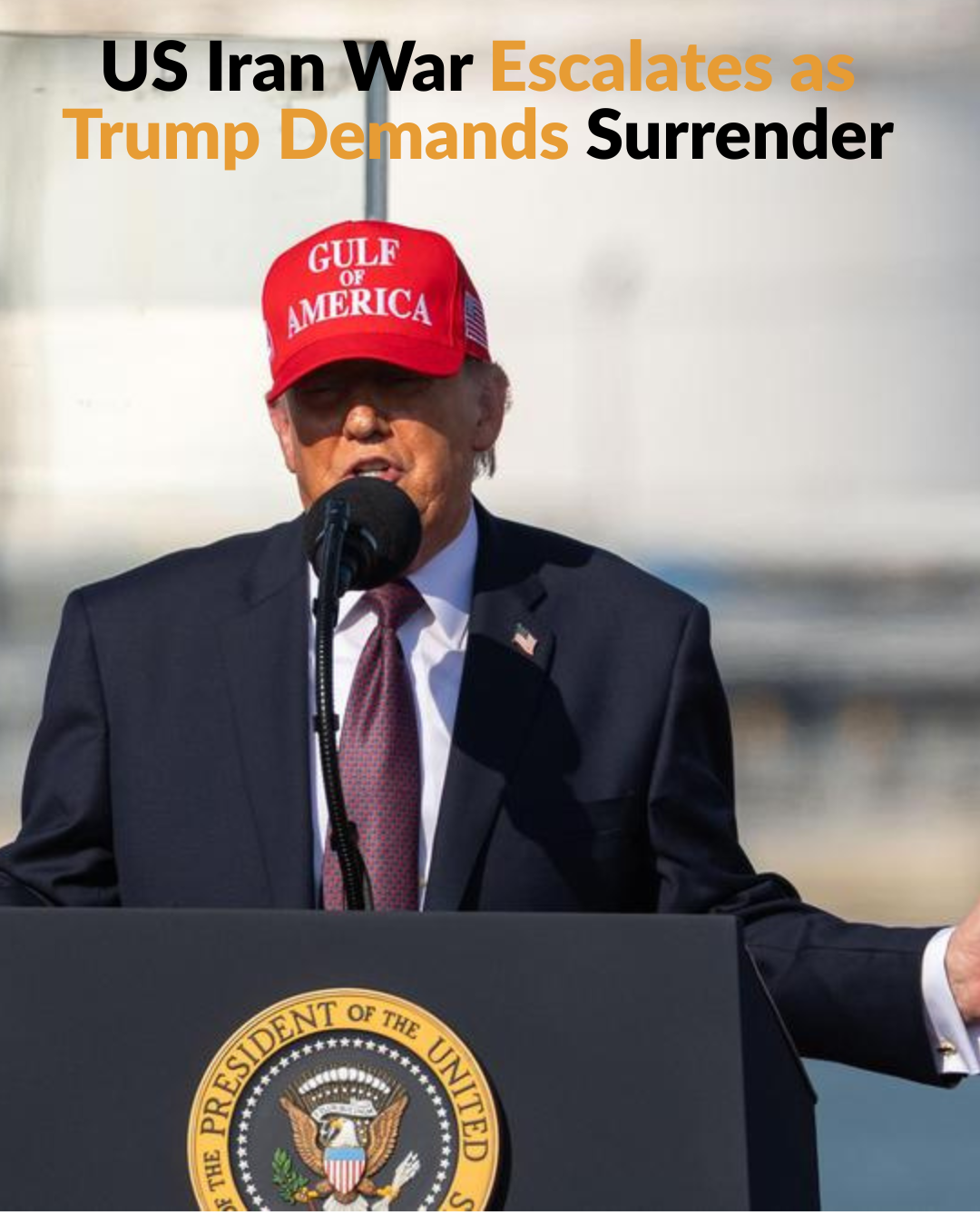
The conflict between the United States and Iran has reached a dangerous new level as both sides refuse to back down. President Donald Trump has warned that he may increase the bombing of Iran if the country does not agree to an unconditional surrender. In response, Iranian President Masoud Pezeshkian stated that his people will never give up, even as major sites in the capital city of Tehran are being hit by air strikes. This war, which is now entering its second week, has already caused significant damage and loss of life on both sides.
Main Impact
The most immediate impact of this situation is the rapid expansion of the war zone and the rising number of deaths. What started as a series of air strikes has now turned into a regional conflict involving several other countries. Major infrastructure in Iran, including international airports and military bases, is being destroyed. This has led to a sense of fear among civilians in Tehran and other cities. At the same time, the global economy and regional safety are at risk as the fighting moves into the Mediterranean Sea and the Indian Ocean.
Key Details
What Happened
On Saturday, the United States and Israel launched a new series of heavy air strikes against Iran. These attacks targeted several important locations, including a military school, an underground command center, and a building used to store missiles. One of the most visible strikes hit Mehrabad International Airport in Tehran. Photos from the scene showed large clouds of smoke and fire rising from the airport grounds. President Trump used social media to warn that the U.S. is considering the "complete destruction" of certain groups and areas that have not been targeted before.
Iran did not stay quiet during these attacks. They launched their own missiles and drones toward Jerusalem and several cities in the Gulf region. While many of these were intercepted, air raid sirens were heard in multiple countries. President Pezeshkian apologized to his neighbors in the Gulf, explaining that Iran only intends to hit places that are being used by the U.S. or Israel to launch attacks against Iranian territory.
Important Numbers and Facts
The human cost of the war is growing quickly. According to the Iranian health ministry, at least 926 civilians have been killed since the fighting began. Another 6,000 people have been injured. On the American side, six service members have lost their lives. President Trump is expected to attend a ceremony at Dover Air Force Base to honor these soldiers as their bodies are returned to the United States.
The war has also spread far beyond the borders of Iran. Fighting or military actions have been reported in Lebanon, Cyprus, Turkey, and Azerbaijan. In a surprising move, U.S. forces even sank an Iranian warship near the coast of Sri Lanka using a torpedo. This shows that the conflict is no longer limited to the Middle East but is affecting international waters as well.
Background and Context
This war began exactly one week ago. It was triggered by a joint air strike from the U.S. and Israel that killed Ali Khamenei, who was the supreme leader of Iran. Since his death, the U.S. has demanded that Iran surrender completely and allow a new leader to be chosen. President Trump has stated that there will be no peace deal until Iran agrees to these terms. He has also offered to help fix Iran's economy if they install a leader that the U.S. finds acceptable.
Iran sees this as an attack on its independence. The Iranian government believes that only their own people have the right to choose their leaders through their own laws. Because both sides have very different goals, talking has stopped, and the fighting has become the primary way they are communicating.
Public or Industry Reaction
Inside Iran, the mood is one of terror and defiance. A 26-year-old teacher in Tehran told reporters that the sound of bombs is terrifying because no one knows where they will land next. There is a heavy police and military presence on the streets to maintain order. Internationally, other world leaders are starting to get involved. Russian President Vladimir Putin spoke with the Iranian president and called for an immediate end to the fighting. However, the U.S. government says it is not worried about Russia helping Iran with intelligence or information.
What This Means Going Forward
The situation looks set to get worse before it gets better. President Trump’s threats to target new areas suggest that the U.S. is prepared to use even more force. If Iran continues to launch drones and missiles at neighboring countries, those nations might be pulled deeper into the war. The biggest risk is a total collapse of the Iranian government or a much larger war that involves more global powers. For now, the focus remains on whether either side will be willing to talk or if the bombing will continue until one side can no longer fight.
Final Take
The world is watching a very dangerous moment in history. With hundreds of people dying and major cities under fire, the hope for a quick peace is fading. The firm positions taken by both President Trump and President Pezeshkian mean that the violence is likely to continue until a major change happens on the ground or in the government.
Frequently Asked Questions
Why did the war between the U.S. and Iran start?
The current war started a week ago after the U.S. and Israel launched air strikes that killed Iran’s supreme leader, Ali Khamenei. This caused a major increase in fighting between the two sides.
What does "unconditional surrender" mean in this context?
It means that President Trump wants Iran to stop fighting and agree to all U.S. demands without any special deals or promises in return. This includes changing how the country is led.
How many people have been affected by the fighting?
Reports suggest that nearly 1,000 civilians have died in Iran, and thousands more are injured. Six American soldiers have also been killed, and many people in the region are living in fear of daily air strikes.