.png)
Summary
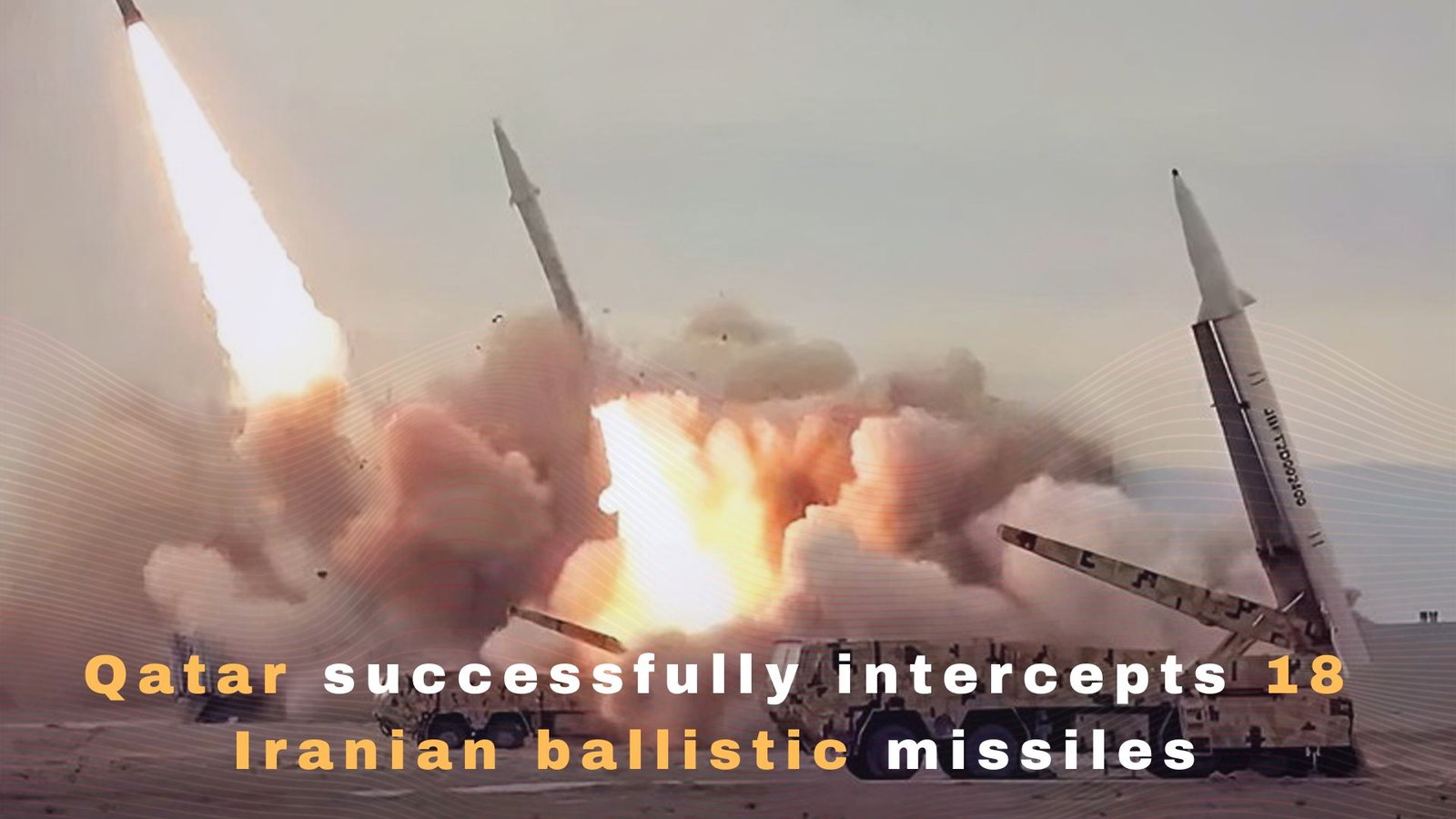
The Qatari Ministry of Defence has confirmed the successful interception of 18 ballistic missiles launched toward the country. Military defense systems identified the incoming threats early and destroyed them before they could reach Qatari territory. This swift action prevented any damage to infrastructure or loss of life. The government has urged the public to remain calm and follow official updates as they monitor the situation.
Main Impact
The primary impact of this event is the demonstration of Qatar’s advanced military readiness. By stopping 18 high-speed missiles simultaneously, the country showed that its defense systems are capable of handling large-scale threats. This event has immediate effects on regional security, as it highlights the growing tensions in the Middle East. While the physical danger was neutralized, the incident has caused a sharp increase in security alerts across the Gulf region.
Key Details
What Happened
Earlier today, radar systems in Qatar detected a series of ballistic missiles heading toward various locations within the country. The Ministry of Defence stated that the military acted immediately according to a pre-approved safety plan. The defense units engaged the targets while they were still in the air, ensuring that no part of the missiles landed in populated areas. The operation was described as a complete success, with all 18 threats neutralized before they could cross into the country's land borders.
Important Numbers and Facts
The following data points summarize the scale of the event:
- Total Missiles: 18 ballistic missiles were tracked and intercepted.
- Source: The missiles were identified as originating from Iran.
- Casualties: There were no reported injuries or deaths among citizens or residents.
- Damage: Zero reports of property or infrastructure damage on Qatari soil.
- Response Time: The interception occurred immediately upon detection in accordance with military protocols.
-
Category Information Threat Type 18 Ballistic Missiles Outcome Successful Interception Casualties Zero Infrastructure No Damage Reported Defense Status Advanced Readiness Regional Impact Increased Security Alerts
Background and Context
Qatar is a small but strategically important nation in the Middle East. It serves as a major hub for international travel and is one of the world’s largest exporters of liquefied natural gas. Because of its wealth and location, Qatar invests heavily in modern defense technology to protect its borders. The country also hosts the Al Udeid Air Base, which is the largest American military installation in the region. This makes the safety of Qatari airspace a matter of global importance.
Ballistic missiles are weapons that follow a high, arching path before falling toward their target at very high speeds. Stopping them requires sophisticated radar and fast-moving interceptor missiles. This incident marks a significant escalation in regional friction, as direct attacks of this scale are rare. While Qatar often acts as a diplomatic bridge between different nations, this event shows that it is also prepared for direct military challenges.
Public or Industry Reaction
The Qatari government has taken steps to prevent panic among the population. The Ministry of Defence issued a statement calling for all citizens, residents, and visitors to stay calm. They specifically warned against spreading rumors or unverified information on social media. Instead, the public is encouraged to rely only on official news sources for updates on the security situation.
In the global energy industry, news of the attack has caused some concern. Since the Gulf region is vital for the world's oil and gas supply, any military activity can lead to changes in market prices. Security experts are closely watching how other neighboring countries and international allies will respond to this event. Many expect a period of increased military patrols and heightened surveillance in the waters and skies surrounding the Arabian Peninsula.
What This Means Going Forward
In the coming days, Qatar is expected to maintain a high state of military alert. The government will likely conduct a full investigation into the launch to understand the specific intent behind the attack. There may also be an increase in diplomatic activity as Qatar and its allies discuss how to prevent future incidents. For the average person in Qatar, daily life is expected to continue, but security presence at key locations like airports and government buildings may be more visible.
The international community will likely call for a de-escalation of the situation to avoid a larger conflict. The success of the missile defense system provides some comfort, but the fact that such an attack was attempted suggests that regional tensions remain high. Future safety will depend on both military strength and the success of diplomatic talks between regional powers.
Final Take
The successful defense against 18 ballistic missiles is a testament to Qatar's military preparation and technological strength. While the event is a serious reminder of the risks in the region, the lack of damage or injury shows that the country's protective measures are effective. The focus now shifts to maintaining peace and ensuring that such a threat does not happen again.
Frequently Asked Questions
Was anyone hurt during the missile interception?
No. The Qatari Ministry of Defence confirmed that all 18 missiles were destroyed before they reached the country's territory, resulting in no injuries or deaths.
Should people living in Qatar be worried about more attacks?
The government has asked everyone to remain calm and follow official instructions. While the military remains on high alert, they have successfully proven their ability to protect the country from such threats.
Where can I find official updates about the situation?
Official information is released through the Qatari Ministry of Defence and other government-approved news agencies. It is important to avoid social media rumors and check official government websites for the latest news.