.png)
Summary
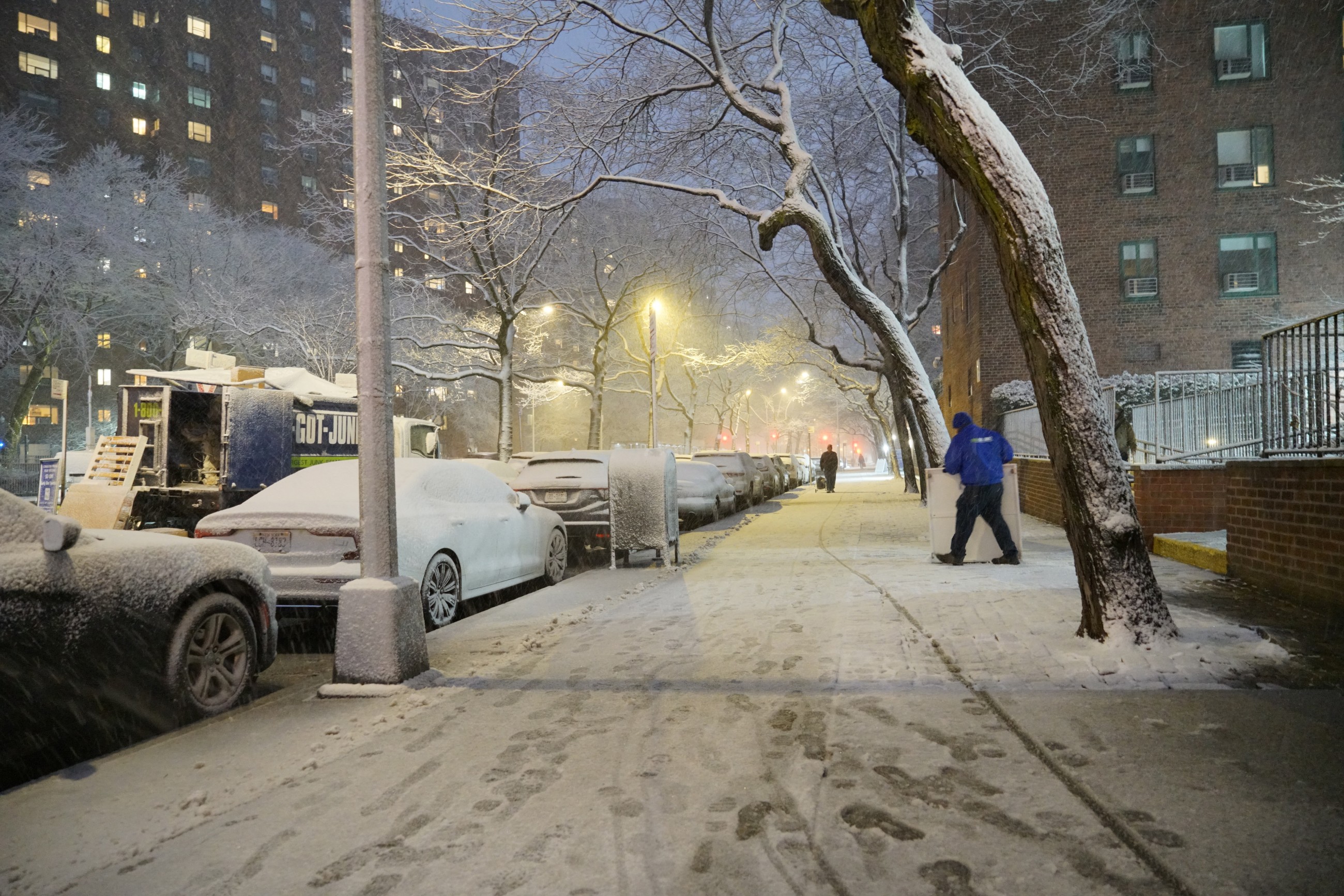
A massive winter storm is currently hitting the Northeastern United States, causing widespread closures and travel chaos. Schools in major cities like New York have shut down, and thousands of flights have been canceled. Officials are warning of dangerous conditions, including heavy snow and high-speed winds that could knock out power for many residents. This storm is affecting millions of people from Washington D.C. up to New England.
Main Impact
The storm's arrival has effectively paused normal life for millions of people across several states. From the nation's capital up through the northern tip of New England, the weather has made travel nearly impossible. Airlines have already scrapped over 5,000 flights, and more cancellations are expected as the week continues. Beyond travel, the storm is affecting the delivery of mail and packages, as the U.S. Postal Service warns of significant delays. The combination of deep snow and wind gusts up to 70 mph creates a high risk for falling trees and utility failures, which could leave many homes without heat or light.
Key Details
What Happened
On Monday, students across the region stayed home as school buildings closed their doors. In New York City, Mayor Zohran Mamdani took the rare step of declaring a state of emergency. He ordered all non-essential vehicles off the streets to allow snowplows to work safely. This is the city's first blizzard warning in nearly a decade. Unlike recent years where students shifted to online learning during bad weather, New York City schools opted for a traditional snow day with no remote classes and no after-school activities. Even the United Nations headquarters in Manhattan had to close its doors for the day.
Important Numbers and Facts
The scale of the storm is reflected in the data provided by weather and travel experts. Forecasters predict some areas could see as much as 24 inches of snow. Wind speeds are expected to hit 70 mph in coastal areas, which is strong enough to cause structural damage. On the travel front, more than 5,000 flights were canceled for Monday alone. With 25,000 flights originally scheduled to depart across the U.S., the ripple effect is massive. To help with the response, 100 National Guard members have been deployed to high-risk areas in New York, including Long Island and the Hudson Valley.
Background and Context
This storm hits at a complicated time for federal agencies. There is currently a funding lapse in the government, which often raises concerns about how emergency services will operate. The Department of Homeland Security and the Federal Emergency Management Agency (FEMA) have stated that their life-saving work will continue despite these budget issues. However, there have been reports that the administration under President Donald Trump had previously ordered a pause on sending aid workers to some areas. This storm serves as a major test for how local and federal agencies coordinate during a crisis when resources and funding might be limited.
Public or Industry Reaction
Governors across the region have been vocal about the danger and are taking strict measures to keep people safe. Massachusetts Governor Maura Healey told state employees to stay home, while New Jersey Governor Mikie Sherrill urged residents to stay off the roads and take the weather seriously. In Connecticut, officials took the step of banning large commercial trucks from major highways to prevent accidents and jackknifed rigs. The aviation industry is also bracing for a long recovery, with cancellations already piling up for Tuesday as airports struggle to clear runways and de-ice planes.
What This Means Going Forward
The immediate focus for the next 24 to 48 hours is on safety and clearing the roads. Once the snow stops falling, the focus will shift to restoring power and reopening transit systems like subways and commuter trains. However, the impact on the supply chain and travel could last for several days. Travelers should expect a "domino effect" where delays in the Northeast cause issues at airports across the country. Residents are encouraged to check on neighbors and stay prepared for potential power outages that could last beyond the storm itself. The U.S. Postal Service will also be working through a backlog of mail once the roads are deemed safe for delivery trucks.
Final Take
This winter storm is a reminder of how quickly extreme weather can disrupt modern life and commerce. While the "snow day" brings a break for students, the economic and logistical cost of such a massive shutdown is significant. Staying informed and following local travel bans remains the best way for the public to stay safe until the weather system moves out of the region and cleanup can begin in earnest.
Frequently Asked Questions
Why are schools closed instead of doing remote learning?
In New York City, officials decided on a traditional snow day to give students and staff a total break, rather than requiring them to log in for online classes during the emergency.
Is the government shutdown affecting emergency help?
FEMA has stated that its disaster-response work, including life safety and property protection, will continue uninterrupted despite the current funding lapse in the government.
How many flights have been canceled so far?
More than 5,000 flights were canceled for Monday, with more cancellations expected for Tuesday as the storm continues to impact major airports in the Northeast.