.png)
Summary
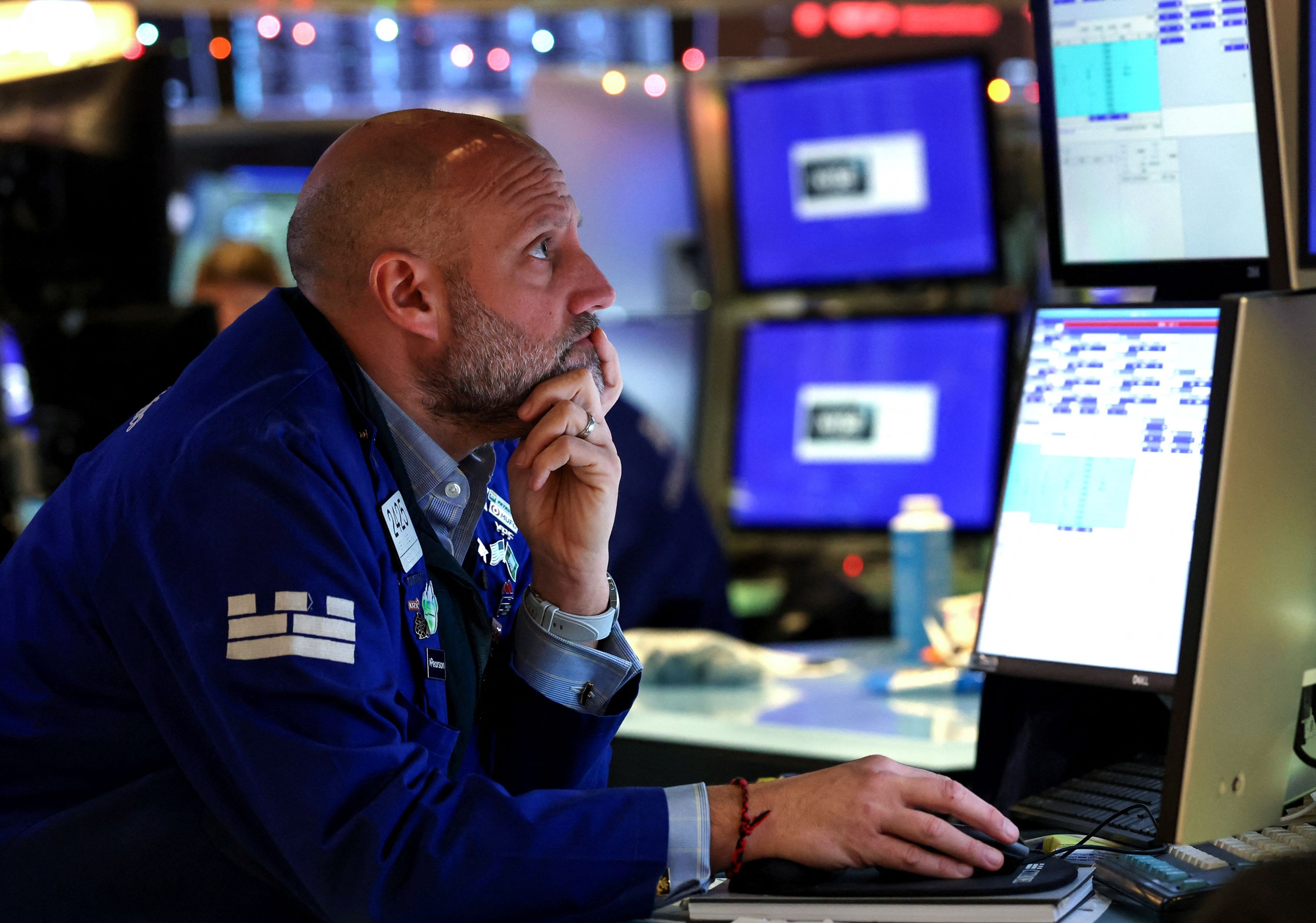
Investors are closely watching the Middle East as a growing conflict threatens to disrupt global energy supplies. The war has already caused oil prices to rise and stock markets to drop, creating a sense of worry on Wall Street. At the same time, new data on inflation and jobs is making it harder for experts to predict what will happen next with the economy. This combination of war and economic uncertainty has left many people unsure about whether to buy or sell stocks right now.
Main Impact
The biggest immediate impact has been seen in the price of oil and the stability of the stock market. Because the conflict is happening near major oil shipping routes, the cost of crude oil has jumped significantly. This makes it more expensive to transport goods and fuels fears that prices for everyday items will stay high. The S&P 500, which tracks the health of big US companies, fell by 2% in just one week as investors reacted to the news. Anxiety levels among traders have reached their highest point in nearly a year.
Key Details
What Happened
The conflict between US-Israeli forces and Iran has entered its second week. This fighting has caused major problems for ships trying to move through the Strait of Hormuz. This narrow waterway is vital because about 20% of the world’s oil and natural gas passes through it. When ships cannot move freely, the supply of energy drops, which causes prices to go up everywhere. Additionally, a recent US jobs report showed that fewer people are being hired and the unemployment rate is starting to climb, adding more stress to the financial system.
Important Numbers and Facts
Several key figures show how much the situation has changed in a short time. Brent crude oil prices rose to over $90 a barrel, a big jump from the $70 price seen before the recent strikes. The US unemployment rate rose to 4.4% in February, which was higher than many experts expected. In the currency markets, Egypt’s money lost significant value, trading at over 52 pounds to the US dollar. This shows that the economic pain is spreading far beyond the immediate area of the fighting.
Background and Context
To understand why this matters, it is important to see how oil and inflation are linked. When oil prices go up, it costs more to make products and ship them to stores. This usually leads to higher prices for consumers at the grocery store and the gas station. This is called inflation. The Federal Reserve, which is the central bank of the United States, tries to control inflation by changing interest rates. If inflation stays high because of the war, the Federal Reserve might not be able to lower interest rates as soon as people hoped. Lower interest rates usually help the stock market grow, so any delay is seen as bad news for investors.
Public or Industry Reaction
Financial experts are currently divided on what to do. Some believe that the stock market will eventually bounce back, as it often does after global crises. However, others are worried that the uncertainty is too great. Rick Meckler from Cherry Lane Investments noted that many investors are simply waiting on the sidelines because they do not know where the conflict is headed. Meanwhile, strategists at State Street suggest that if oil prices hit $100 a barrel, it could cause even more panic in the markets. There is a general feeling of caution as everyone waits for more information.
What This Means Going Forward
The next big test for the markets will be the release of the Consumer Price Index (CPI) report this coming Wednesday. This report tells us how much prices for goods and services changed in February. If the report shows that inflation is still high, it will likely cause more trouble for stocks. Investors are also looking toward the Federal Reserve's meeting in June. Previously, many expected the bank to cut interest rates by then. Now, because of the rising cost of energy, those chances have dropped to about 45%. If the war continues to block shipping routes, the global economy could face a long period of high prices and slow growth.
Final Take
The global economy is currently caught between two major forces: a dangerous war and a difficult fight against rising prices. While the US economy has shown some strength recently, the threat of $100 oil and blocked trade routes is a serious concern. Investors will likely remain nervous until there is a clear sign that the conflict is cooling down or that inflation is finally under control.
Frequently Asked Questions
Why does the war in the Middle East affect US stocks?
The war affects stocks because it happens near major oil supplies. When conflict threatens these supplies, oil prices go up. Higher oil prices make it more expensive for companies to operate and for people to buy things, which often leads to lower stock prices.
What is the Strait of Hormuz and why is it important?
The Strait of Hormuz is a narrow path in the ocean that connects oil-producing countries to the rest of the world. About one-fifth of the world's oil travels through this path. If it is blocked, the global supply of energy drops sharply, causing prices to spike.
What is the CPI report?
The Consumer Price Index (CPI) is a report that measures the average change in prices that people pay for goods and services. It is the most common way to measure inflation. Investors watch it closely to see if the Federal Reserve will change interest rates.