.png)
Summary
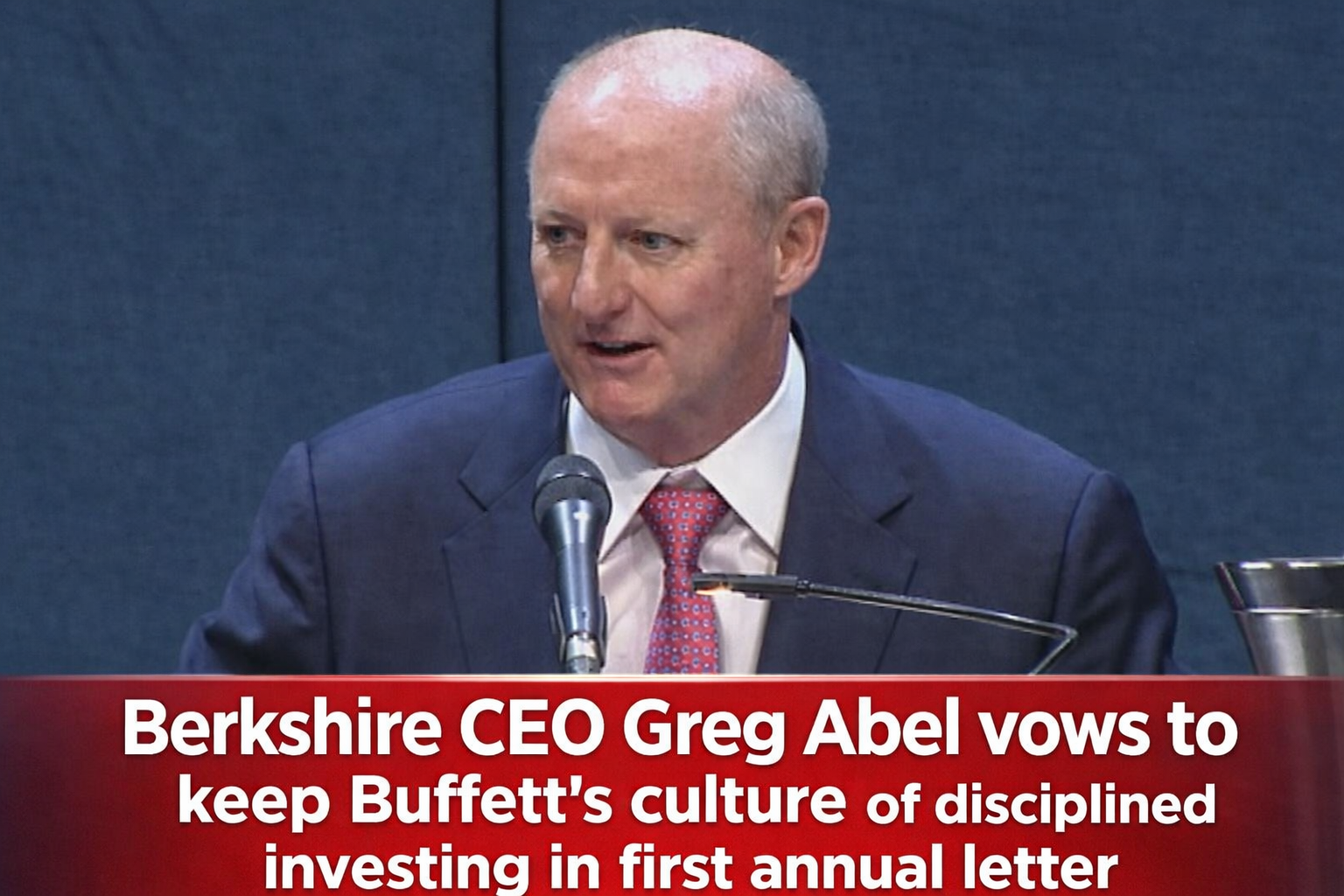
Greg Abel, the new leader of Berkshire Hathaway, has released his first annual letter to shareholders. In this message, he promised to maintain the careful and steady investment style that made the company famous under Warren Buffett. Abel emphasized that the company will continue to focus on long-term value rather than quick profits. This letter marks a major milestone as the company moves into a new era of leadership while keeping its traditional values.

Main Impact
The primary impact of this letter is the sense of stability it provides to the global financial markets. For decades, investors have looked to Berkshire Hathaway as a model of safety and smart growth. By vowing to keep the existing culture, Abel has reassured thousands of shareholders that their money is in steady hands. This commitment prevents the uncertainty that often happens when a legendary founder steps down. It shows that the "Berkshire way" of doing business is a permanent part of the company, not just a personal trait of its former leader.
Key Details
What Happened
Greg Abel officially took over the role of Chief Executive Officer and used his first annual letter to set the tone for his leadership. He spoke directly to the people who own shares in the company, explaining his vision for the future. He made it clear that he does not plan to make big changes to how the company picks its investments. Instead, he will follow the rules of "disciplined investing," which means only buying businesses that are easy to understand and have a strong chance of lasting for many years.
Important Numbers and Facts
Berkshire Hathaway is one of the largest companies in the world, owning many different types of businesses. These include the Geico insurance company, the BNSF railroad, and several large energy utility firms. The company also holds a massive amount of cash, often reaching over $150 billion. Abel noted that having this much cash is important because it allows the company to act quickly when a good deal appears. He also highlighted that the company’s goal is to increase its value over decades, not just months.
Background and Context
To understand why this letter is so important, one must look at the history of Berkshire Hathaway. Warren Buffett took control of the company in the 1960s when it was just a struggling textile mill. Over the next 60 years, he and his partner, Charlie Munger, turned it into a giant conglomerate. They became famous for "value investing," which is the practice of buying stocks or companies for less than they are actually worth. Greg Abel was chosen as the successor because he spent years working closely with Buffett and understands this philosophy better than anyone else. His job is to prove that the company can thrive without its founding father at the helm.
Public or Industry Reaction
The reaction from the business world has been mostly positive. Financial experts noted that Abel’s writing style is direct and honest, much like Buffett’s was. Many investors were relieved to see that Abel is not trying to be a "star" or change the company to fit modern trends that might be risky. Some analysts pointed out that while Abel may not have the same public fame as Buffett, his deep knowledge of the company’s energy and railroad divisions makes him a very capable leader. The stock price remained steady following the release of the letter, which suggests that the market trusts his plan.
What This Means Going Forward
Moving forward, the company will face the challenge of finding new ways to grow. Because Berkshire is already so large, it needs to make very big purchases to see a real difference in its earnings. Abel will be responsible for deciding how to spend the company’s billions of dollars. He will also need to manage a wide variety of managers who run the different businesses under the Berkshire umbrella. The company will likely stay away from high-tech startups or risky bets, sticking instead to "old-fashioned" industries like manufacturing, retail, and insurance. The focus will remain on protecting the company’s wealth during bad economic times and growing it during good times.
Final Take
Greg Abel has sent a clear message that the era of disciplined investing at Berkshire Hathaway is far from over. By honoring the past while looking toward the future, he has built a bridge for shareholders to cross with confidence. The company remains a fortress of financial strength, guided by the same simple rules that have worked for over half a century. Investors can expect the same steady approach that has defined the company for generations.
Frequently Asked Questions
Who is Greg Abel?
Greg Abel is the Chief Executive Officer of Berkshire Hathaway. He was chosen by Warren Buffett to lead the company after spending many years running its large energy division.
What is disciplined investing?
Disciplined investing is a strategy where a person or company follows strict rules when buying stocks. It involves avoiding risky trends and only buying businesses that have a clear and long-term path to making money.
Will Berkshire Hathaway change its strategy?
According to Greg Abel’s first annual letter, the company does not plan to change its strategy. It will continue to focus on long-term value, keeping plenty of cash on hand, and buying high-quality businesses.