.png)
Summary
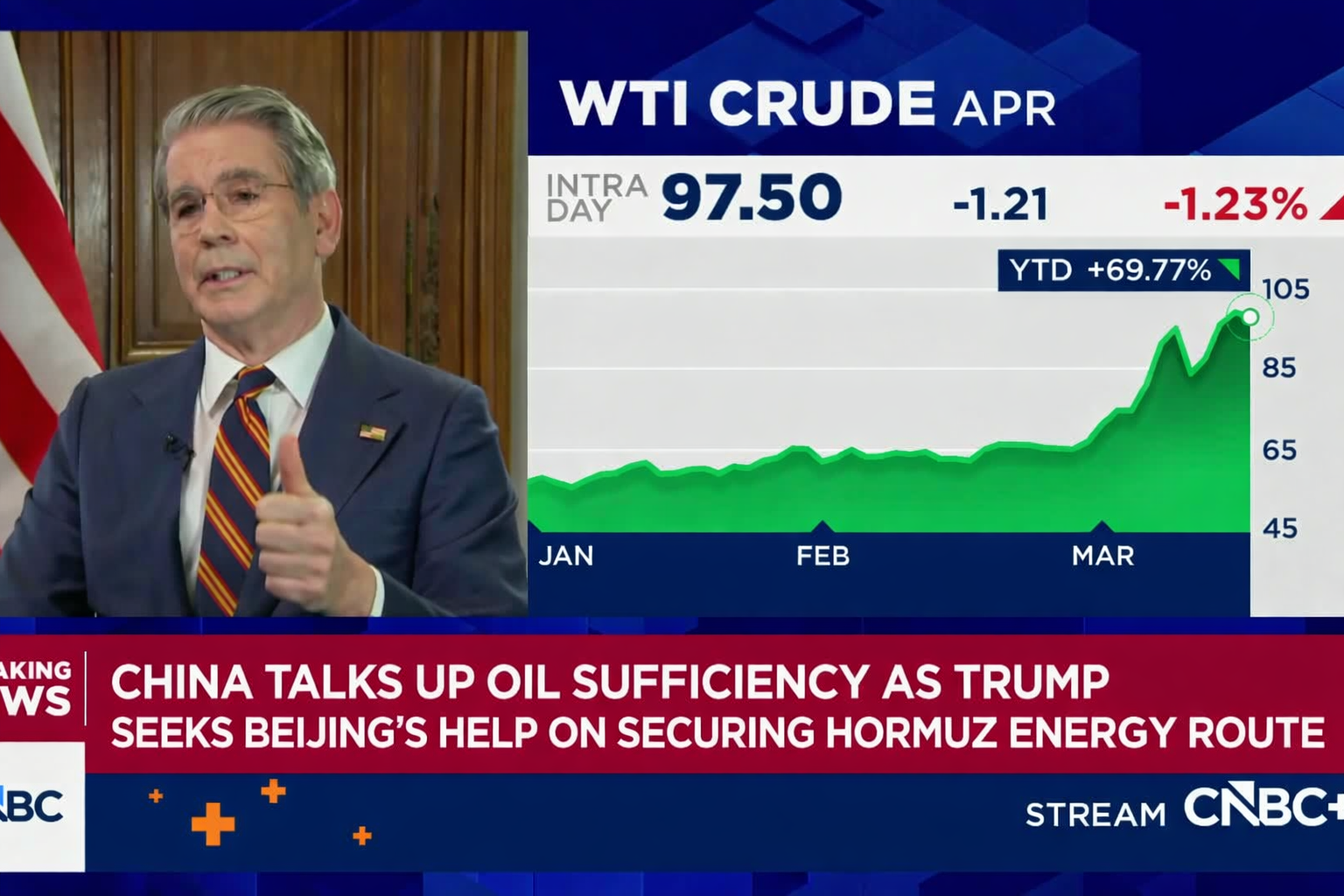
China recently announced that its national energy supply remains stable and strong. This statement comes directly from the country’s statistics bureau, which also reported an increase in the amount of oil and gas produced within China's own borders. The timing of this announcement is important because United States President Donald Trump has asked Beijing to help protect oil shipping routes in the Middle East. By highlighting its own energy strength, China is signaling that it is becoming less dependent on foreign oil sources during a time of global tension.
Main Impact
The biggest impact of this news is the shift in how China and the United States talk to each other about energy. For a long time, China was seen as a country that desperately needed oil from the Middle East to keep its factories running. Now, China is telling the world that it can produce more of its own power. This gives China more power in talks with the U.S. government. If China feels secure about its energy, it may not feel forced to agree to every request made by President Trump regarding international security.
Key Details
What Happened
China’s National Bureau of Statistics released new data showing that the country is successfully boosting its domestic energy output. This includes more drilling for oil and a higher production of natural gas. At the same time, the U.S. administration under Donald Trump has reached out to Beijing. The President wants China to take a more active role in guarding the Strait of Hormuz. This narrow waterway is a vital path for oil tankers, but it has become a dangerous area due to regional conflicts. Trump’s request suggests that the U.S. wants to share the cost and risk of protecting these global trade routes.
Important Numbers and Facts
While specific total figures change monthly, the bureau confirmed that domestic production growth has stayed on a steady upward path. China is currently the world’s largest importer of crude oil, but its goal is to reduce this reliance. Reports show that China has been investing billions of dollars into its own oil fields and green energy projects. The Strait of Hormuz, which Trump is concerned about, carries about 20% of the world’s total oil supply. Because China buys a large portion of that oil, the U.S. argues that Beijing should help pay for and provide the security needed to keep the water safe for ships.
Background and Context
To understand why this matters, we have to look at how oil moves around the world. Most of the oil used in Asia comes from the Middle East. To get to China, ships must pass through the Strait of Hormuz. In the past, the United States Navy did most of the work to keep these paths open and safe. However, President Trump has often said that other countries should do more to protect their own interests. He believes that since China benefits the most from Middle Eastern oil, they should use their own military or money to help secure the area. China, however, is wary of getting involved in Middle Eastern wars and prefers to focus on building its strength at home.
Public or Industry Reaction
Energy experts are watching this situation closely. Some analysts believe China is "talking up" its energy supply to look strong before entering high-level meetings with U.S. officials. If China admits it is worried about oil, it loses leverage. By saying their supply is "relatively strong," they are telling the U.S. that they are not in a rush to follow Trump’s plan. Meanwhile, global oil markets have reacted with caution. Investors are unsure if China will actually send ships to the Middle East or if they will continue to focus only on their own domestic production and land-based pipelines from Russia.
| Aspect | Previous Status | Current Status |
|---|---|---|
| Energy Source | High reliance on Middle East imports | Increased domestic oil and gas production |
| Global Dependency | Vulnerable to foreign supply disruptions | Growing self-sufficiency and stability |
| U.S. Relations | Pressure to assist in shipping protection | Stronger leverage in diplomatic talks |
| Market Position | Seen as a dependent energy consumer | Signaling national energy strength |
What This Means Going Forward
In the coming months, we will likely see more tension between the U.S. and China over energy security. If China refuses to help in the Strait of Hormuz, the U.S. might threaten to change its own role in the region. On the other hand, if China continues to increase its own oil production, it will become harder for any country to use energy as a way to pressure Beijing. We should also expect China to keep pushing for more renewable energy, like wind and solar, to further decrease their need for oil that has to travel through dangerous waters.
Final Take
China is working hard to show that it can take care of itself. By announcing a strong energy supply, Beijing is sending a clear message to Washington: they are not as vulnerable as they used to be. While President Trump wants a partner to help police the world's oil routes, China seems more interested in securing its own future through domestic growth and careful diplomacy. This tug-of-war over who protects the world's oil will be a major story for the rest of the year.
Frequently Asked Questions
Why does the Strait of Hormuz matter to China?
The Strait of Hormuz is a narrow path in the ocean that oil tankers must use. Since China buys a lot of oil from the Middle East, any trouble in that area could stop their energy supply and hurt their economy.
What is President Trump asking China to do?
President Trump wants China to help protect the ships traveling through the Middle East. He believes that since China uses the oil, they should help provide security for the routes instead of relying only on the U.S. military.
Is China really self-sufficient in energy?
Not yet. While China is producing more oil and gas at home, it still needs to import a large amount from other countries. However, their recent reports show they are making progress in relying less on foreign sources.