.png)
Summary
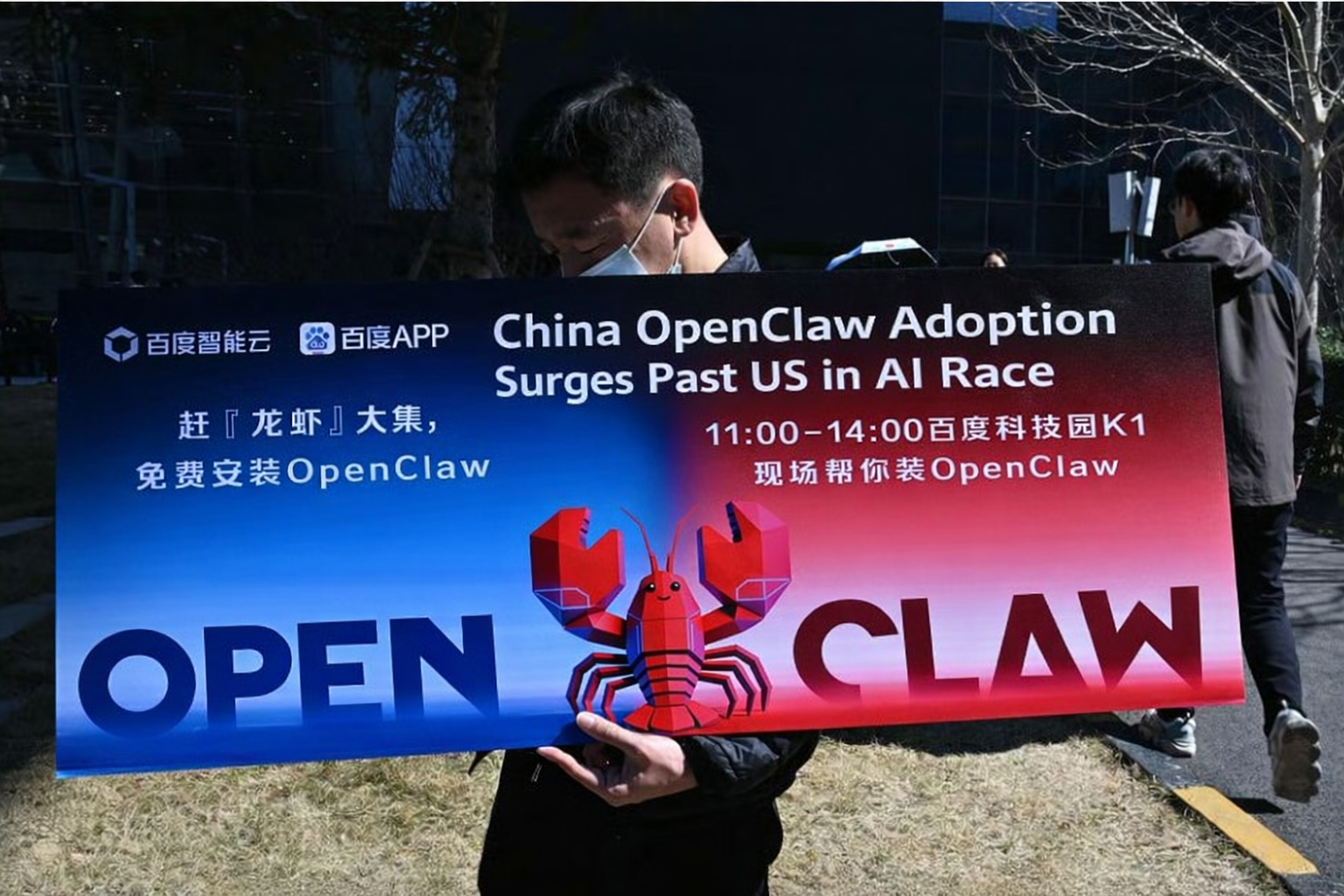
China’s technology sector is moving rapidly to adopt OpenClaw, a popular open-source tool used to build artificial intelligence agents. Recent data shows that developers in China are now using this framework more than those in the United States. This surge in activity is fueling a massive need for low-cost AI models produced within China, as companies look for ways to automate complex tasks without spending a fortune on computing power.
New Project in Dubai
Instagram Profil:- https://www.instagram.com/99__realestate?igsh=MTVyY2FvaG9neXhyeA==
https://www.instagram.com/reel/DV5oo_oE6CQ/?utm_source=ig_web_copy_link&igsh=MzRlODBiNWFlZA==
Main Impact
The primary impact of this trend is a shift in the global AI balance. While much of the world focuses on building larger and more powerful AI models, Chinese firms are focusing on how to use existing tools to get work done. By leading the world in OpenClaw usage, China is positioning itself as a hub for "AI agents"—software programs that can act on behalf of a user to complete multi-step projects. This movement is also helping local Chinese AI providers gain ground, as their cheaper services are perfectly suited for the high-volume needs of these new automated agents.
China Leads the OpenClaw AI Wave
China is rapidly adopting OpenClaw, an open-source tool for building AI agents. Recent data shows Chinese developers have overtaken the U.S. in using this framework.
This surge is creating a massive demand for affordable, local AI models. Companies are looking for ways to automate complex tasks without spending a fortune on computing power.
The Global Impact
This trend is shifting the global AI balance. While many countries focus on building massive models, China is focusing on practical application.
- China is becoming a global hub for AI agents.
- These agents are software programs that complete multi-step projects for users.
- Local AI providers are gaining ground by offering low-cost services.
- The focus has shifted from raw power to getting work done efficiently.
Key Details
What Happened
OpenClaw has become a favorite tool for developers who want to create software that can "think" and "act." Unlike a standard chatbot that simply answers questions, an agent built with OpenClaw can browse the internet, use different computer programs, and manage data across various platforms. Chinese tech companies have jumped on this technology to create everything from automated customer service bots to digital assistants that can handle office work. This rapid adoption has pushed China past the U.S. in terms of active development and implementation of this specific framework.
Important Numbers and Facts
The growth of AI agents in China is tied directly to the falling cost of technology. Many Chinese AI models are now priced significantly lower than their Western competitors. In some cases, running a task on a Chinese model costs only a fraction of what it would cost to use a model from a major U.S. company. This price gap is a major reason why OpenClaw has seen such a spike in usage. Developers can run thousands of tasks through an agent every day without breaking their budget. Additionally, the number of Chinese startups focusing specifically on "agentic workflows"—the process of letting AI handle a series of steps—has doubled over the past year.
Background and Context
To understand why this matters, it is helpful to know what an AI agent actually is. Most people are familiar with AI that writes poems or answers questions. An AI agent is different because it has a goal. If you tell an agent to "plan a business trip," it doesn't just give you a list of flights. It goes to travel websites, checks your calendar, compares prices, and can even prepare the booking forms for you. OpenClaw is the "engine" that allows developers to build these types of smart systems.
In China, the tech industry is currently facing pressure to innovate while keeping costs low. There are also restrictions on certain types of high-end hardware from overseas. Because of this, Chinese firms have become very good at making their software efficient. They are using open-source tools like OpenClaw to build powerful systems that run on less expensive, locally available hardware. This has created a unique environment where the focus is on practical use rather than just scientific research.
Public or Industry Reaction
Industry experts are calling this a "lobster buffet" for Chinese tech firms because there is a sudden wealth of tools and cheap data available to them. Many analysts believe that China’s focus on application will give them an edge in the long run. While U.S. companies are often caught up in debates about safety and massive computing costs, Chinese developers are busy putting AI to work in factories, offices, and online stores. However, some critics wonder if the reliance on low-cost models will limit the "intelligence" of these agents compared to those using more expensive, high-end systems.
What This Means Going Forward
Looking ahead, we can expect to see a wave of new AI products coming out of China that are designed to be very cheap and very functional. This could force global AI companies to lower their prices to stay competitive. It also means that the way we use computers might change. Instead of opening five different apps to finish a task, we might just tell an AI agent to do it for us. The race is no longer just about who has the smartest AI, but who can make that AI do the most work for the least amount of money. China is currently winning that specific race.
Final Take
The rise of OpenClaw in China shows that the future of AI is not just about talking; it is about doing. By embracing open-source tools and focusing on affordability, Chinese tech firms are turning advanced technology into a common utility. This shift toward practical, low-cost AI agents will likely change how businesses operate around the world, making automation accessible to everyone, not just the wealthiest companies.
Frequently Asked Questions
What is OpenClaw?
OpenClaw is an open-source framework that developers use to build AI agents. It provides the basic structure needed for an AI to interact with apps, websites, and other software to complete tasks.
Why is China using it more than the U.S.?
Chinese tech firms are moving faster to turn AI into practical business tools. The combination of open-source software and very cheap local AI models makes it easier for them to deploy these systems at a large scale.
What is the difference between a chatbot and an AI agent?
A chatbot is designed to talk or write text based on a prompt. An AI agent is designed to take action, such as moving files, booking appointments, or managing a workflow across different programs.
Key Summary Points
- China leads global adoption of the OpenClaw AI agent framework.
- Chinese developer activity now exceeds usage levels in the United States.
- High demand for low-cost, domestic AI models to fuel automation.
- Strategic shift toward practical AI agents for multi-step projects.
- Focus on task execution rather than solely increasing model size.
- Local AI providers are gaining market share through cost-effective services.