.png)
Summary
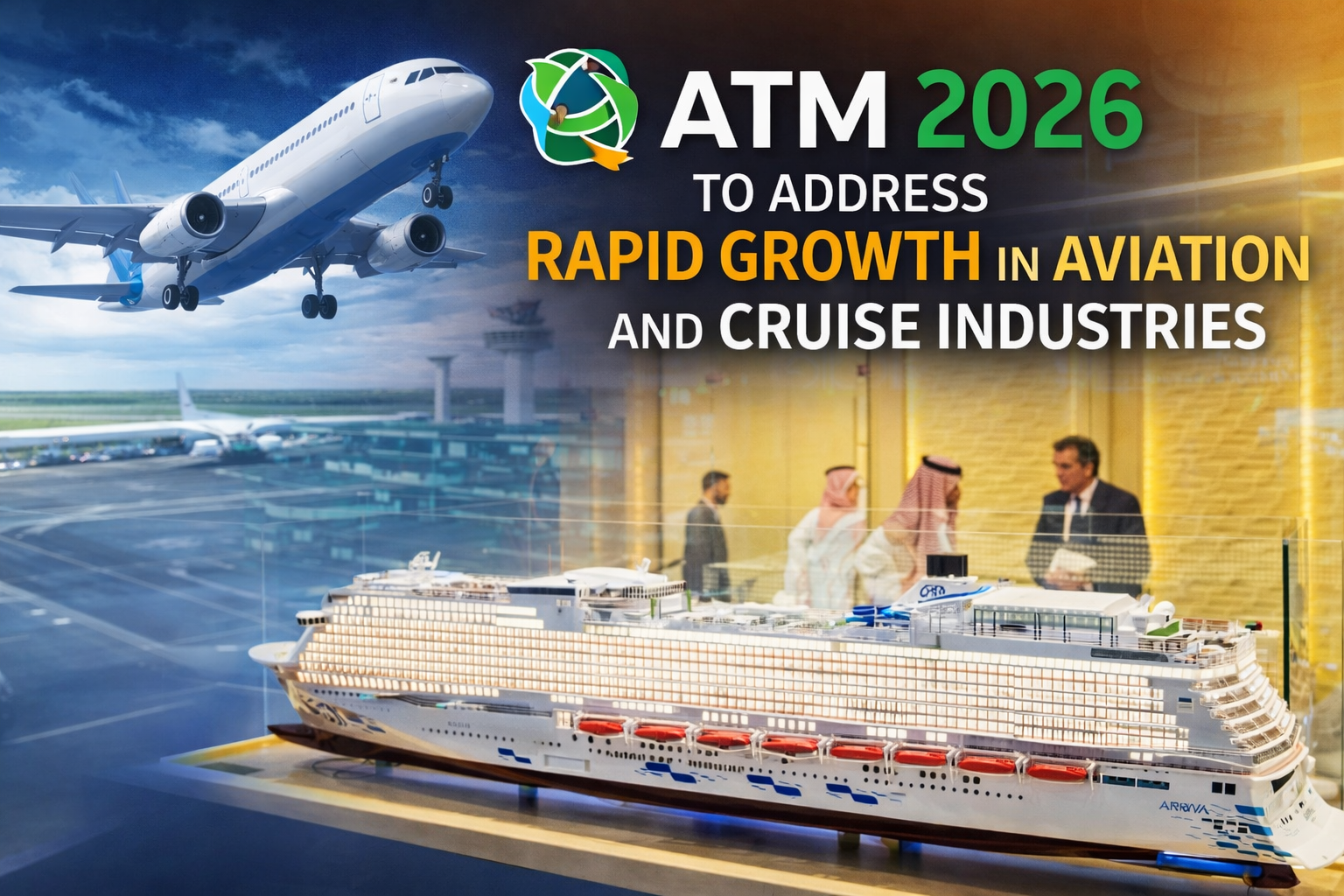
The Arabian Travel Market (ATM) 2026 will focus on the massive growth of the aviation and cruise industries in the Middle East. Taking place in Dubai from May 4 to May 7, 2026, the event will highlight how the region is becoming a central hub for global travel. With billions of dollars spent on new planes and a rising number of cruise ships visiting local ports, the Middle East is set to lead the next era of international tourism.
Main Impact
The Middle East is quickly changing from a transit point into a primary destination for world travelers. This shift is driven by huge investments from major airlines and a growing interest in sea travel. By 2030, the demand for air travel in the region is expected to rise by nearly a quarter. This growth does more than just move people; it helps local economies grow, creates jobs, and makes the region a leader in how people move around the world. The upcoming ATM 2026 event will serve as the main meeting point for leaders to plan how to handle this rapid increase in visitors.
Key Details
What Happened
Recent data shows that the Middle East is outperforming many other parts of the world in travel growth. Airlines in the region are buying hundreds of new planes to keep up with the number of people who want to fly. At the same time, the cruise industry is seeing a record number of passengers booking trips to see cities like Dubai, Abu Dhabi, and Jeddah. These two industries are working together to bring more tourists to the Gulf countries than ever before.
Important Numbers and Facts
The growth is backed by significant data and large-scale investments. Here are the key figures driving the industry:
- Air Travel Demand: Passenger demand in the Middle East is expected to grow by 23% between 2025 and 2030.
- Aircraft Orders: The four biggest airlines in the region—Emirates, Etihad, Qatar Airways, and Saudia—have ordered nearly 780 new planes from Boeing and Airbus.
- Global Share: Middle Eastern airlines hold 12% of all new plane orders in the world. Within the region, GCC countries are responsible for 93% of those orders.
- Cruise Growth: The number of cruise passengers worldwide is expected to reach 42 million by 2028. In the Middle East alone, over 2 million cruise passengers were expected by 2025.
- Port Visits: More than 300,000 port visits are planned across major cities like Doha, Muscat, and Aqaba. The Red Sea area is becoming a major spot, with half a million passengers expected to visit, many stopping in Jeddah.
Background and Context
This growth is not happening by accident. Many countries in the Middle East have national plans to move their economies away from relying only on oil. Tourism is a big part of these plans. By building world-class airports and luxury cruise terminals, these nations are inviting the world to visit. The region’s location is also a major advantage. It sits between Europe, Asia, and Africa, making it the perfect spot for a global travel hub. As more people travel for work and fun, the Middle East is positioned to be the bridge that connects every continent.
Public or Industry Reaction
Industry leaders are excited about the region's progress. Danielle Curtis, the director of ATM, noted that the region is now one of the most connected places on Earth. She explained that this connectivity helps more than just tourism; it also helps global trade and business events. Experts from groups like the Cruise Lines International Association and Oxford Economics agree that the Middle East is a "growth engine" for the travel world. Many companies are now moving their operations to the region to take advantage of this success. For example, the airline Beond is expanding in Bahrain, and AirAsiaX is using the region to connect passengers between Asia and Europe.
What This Means Going Forward
Looking ahead, the focus will shift to how the industry can grow without causing problems for the environment or the passenger experience. ATM 2026 will feature sessions on "smart mobility," which includes using artificial intelligence (AI) and biometrics to make airport check-ins faster and easier. There will also be a strong focus on sustainability, ensuring that more planes and ships do not lead to more pollution. As airlines and cruise lines expand their fleets, they will need to find ways to be more efficient and flexible to meet the needs of modern travelers who want easy and green travel options.
Final Take
The Middle East is no longer just a part of the global travel conversation; it is leading it. With massive investments in technology and infrastructure, the region is setting a new standard for how the world travels by air and sea. ATM 2026 will be the place where the future of this industry is decided, showing that the region's influence on global tourism will only get stronger in the coming years.
Frequently Asked Questions
What is the Arabian Travel Market (ATM) 2026?
It is a major international travel and tourism event held in Dubai. It brings together leaders from airlines, hotels, and cruise lines to discuss the future of the travel industry.
Why is the cruise industry growing in the Middle East?
The industry is growing because of new cruise terminals, more travel routes in the Red Sea and Arabian Gulf, and a high level of interest from international tourists who want to see the region by ship.
How are airlines in the region changing?
Airlines like Emirates and Qatar Airways are buying hundreds of new planes and adding more destinations. They are also using new technology like AI and biometrics to make flying more comfortable and efficient for passengers.