.png)
Summary
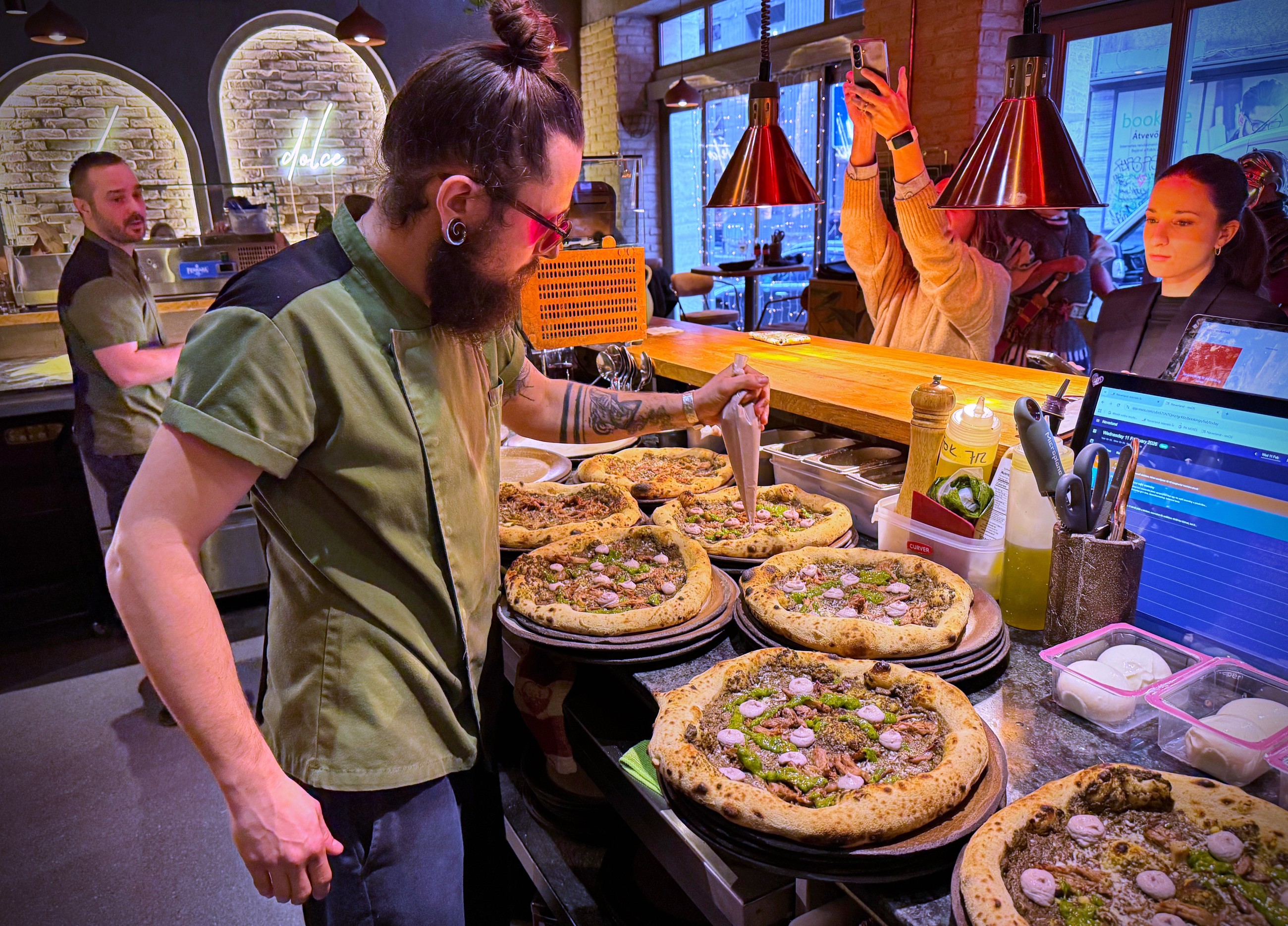
A restaurant in Budapest, Hungary, is offering a unique dining experience by serving a pizza based on ancient Roman history. Neverland Pizzeria created this special dish using only ingredients that were available 2,000 years ago. This means the pizza does not have tomatoes or mozzarella, as those ingredients did not exist in Europe during the Roman Empire. The project aims to give modern diners a taste of what people ate long before the modern pizza was invented in Italy.
Main Impact
This culinary project bridges the gap between history and modern food culture. By removing the most common pizza ingredients, the chefs had to rely on ancient cooking methods and rare ingredients to create a flavorful meal. This experiment shows how much global trade has changed what we eat today. It also provides a rare opportunity for food lovers to experience a "time travel" meal that honors the roots of Mediterranean flatbreads.
Key Details
What Happened
The idea for the Roman pizza came from Josep Zara, the founder of Neverland Pizzeria. He was inspired by a 2023 archaeological discovery in Pompeii, where a fresco painting showed a flatbread topped with fruit and spices. To make the dish authentic, Zara worked with a historian and studied an ancient cookbook from the 5th century. The goal was to exclude any ingredient that came from the Americas, such as tomatoes, potatoes, or peppers.
Important Numbers and Facts
The development process took several months of testing in the kitchen. Since ancient Romans did not have modern water systems, the chefs had to find a creative way to make the dough rise. They used fermented spinach juice instead of standard yeast and water. The base of the pizza is made from ancient grains like einkorn and spelt, which were common crops in the Roman Empire. The toppings include a salty fish sauce called garum, olive paste, duck leg, and a grape reduction.
Background and Context
While many people think of pizza as a modern Italian invention from Naples, its ancestors go back thousands of years. In ancient Rome, people ate baked flatbreads sold at small food stalls called thermopolia. These were the fast-food joints of the ancient world. However, the pizza we know today only started to take shape in the 1700s after tomatoes were brought to Europe from the Americas. Before that time, flatbreads were seasoned with herbs, oils, and local cheeses like ricotta.
Public or Industry Reaction
The restaurant staff admits that this ancient pizza is a "niche" product. This means it is designed for a specific group of people who are interested in history and unusual flavors. Head chef Gergely Bárdossy noted that while most customers still prefer a traditional pizza with tomato sauce, there is a small group of curious diners who find the Roman version delicious. It is treated as a special menu item rather than a meal for every day. The reaction from the local community has been positive, with many people interested in the research that went into the recipe.
What This Means Going Forward
This project highlights a growing trend where restaurants use history to create new and interesting menus. It also brings attention to ancient grains and fermentation techniques that are becoming popular in the health food industry. By looking at the past, chefs can find ways to make food more sustainable and unique. For Neverland Pizzeria, this experiment is a way to show that they value both tradition and creativity. It sets a standard for how restaurants can educate their customers while serving a meal.
Final Take
Creating a meal from 2,000 years ago is a difficult challenge that requires more than just cooking skills. It requires a deep understanding of history and a willingness to try things that might seem strange to modern tastes. This Roman-era pizza reminds us that food is a living part of history that is always changing. While the chefs are happy to use ancient fish sauce and fermented juice, they still follow some modern rules. For example, they made it clear that they will never put pineapple on any of their pizzas.
Frequently Asked Questions
Why is there no tomato sauce on this pizza?
Tomatoes are native to the Americas. They were not brought to Europe until the 1500s, so ancient Romans never had access to them.
What is garum?
Garum is a very salty sauce made from fermented fish. It was used by ancient Romans as a common seasoning, much like how people use soy sauce today.
Is the dough different from regular pizza?
Yes, the dough is made from ancient grains like spelt and einkorn. It is more dense than modern pizza dough and uses fermented spinach juice to help it rise.