.png)
Summary
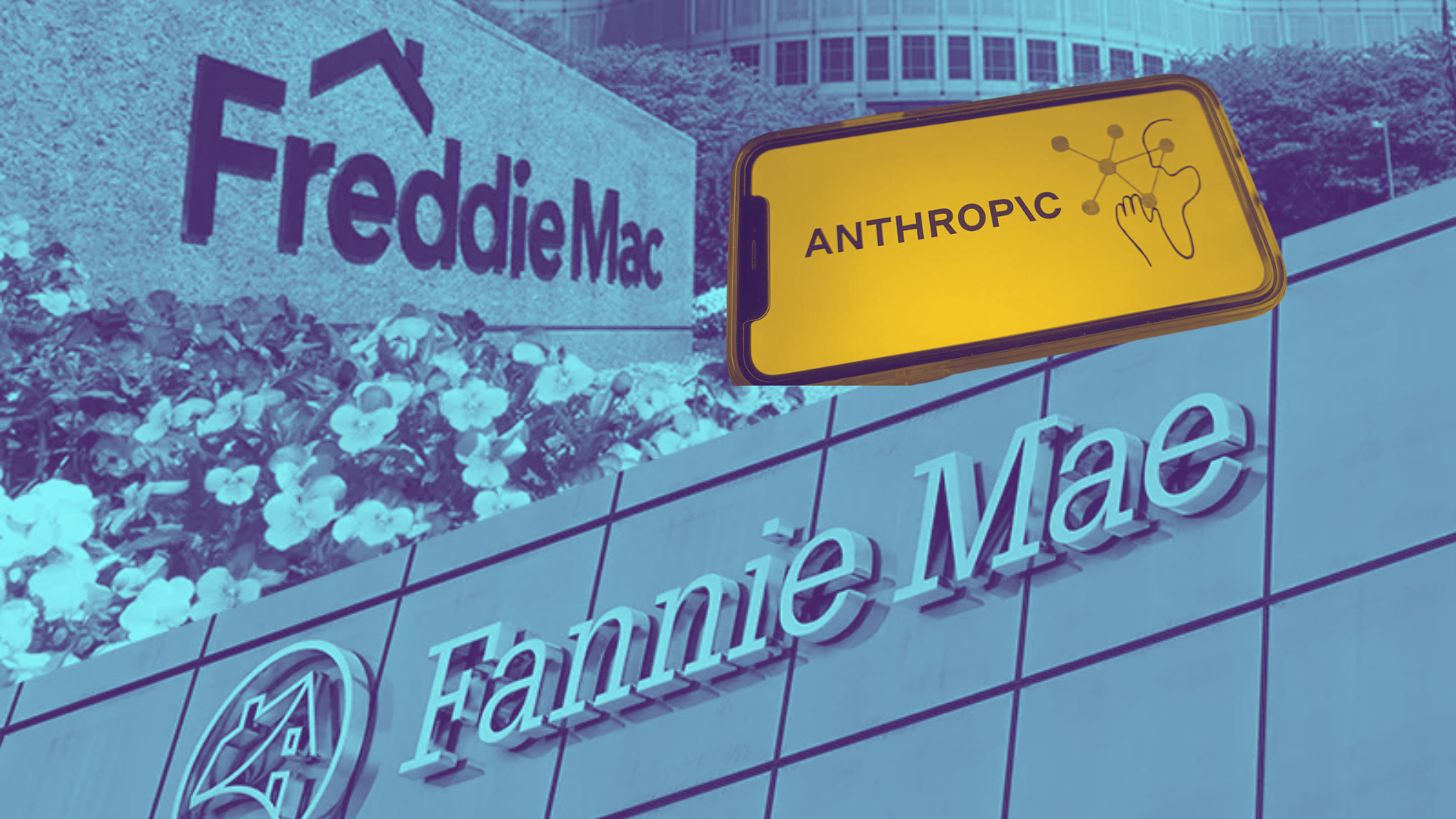
The Federal Housing Finance Agency (FHFA) has officially ordered Fannie Mae and Freddie Mac to end their partnerships with the artificial intelligence company Anthropic. This decision marks a major turning point in how the government manages the use of new technology in the housing market. It shows that regulators are becoming much more cautious about which AI tools are used to handle sensitive financial data. This move highlights the growing influence of politics and strict rules on the future of home loans in the United States.
Main Impact
The immediate impact of this order is a sudden halt in AI integration for the two largest backers of home mortgages in the country. Fannie Mae and Freddie Mac play a vital role in making sure people can get loans to buy houses. By removing Anthropic from their systems, these organizations must now rethink their technology plans. This decision sends a strong signal to the entire financial industry that choosing an AI partner is no longer just a business choice. It is now a matter of government approval and political safety.
Key Details
What Happened
The FHFA, which acts as the supervisor for Fannie Mae and Freddie Mac, issued a directive to cut ties with Anthropic. Anthropic is a well-known AI company that creates large language models similar to those used in popular chatbots. While these tools can help companies process data faster, the government is worried about how they work. The order suggests that the risks of using this specific AI outweigh the benefits at this time. This is one of the first times a major government regulator has stepped in to stop a specific AI partnership in the housing sector.
Important Numbers and Facts
Fannie Mae and Freddie Mac are massive entities that support trillions of dollars in home loans. Together, they back nearly half of all mortgages in the United States. Because they are so large, any change in how they operate affects the entire economy. Anthropic has received billions of dollars in investment from major tech firms, but this government rejection is a significant setback. The order comes at a time when many companies are trying to use AI to lower costs and speed up the process of approving home loans.
Background and Context
To understand why this matters, it is important to know what Fannie Mae and Freddie Mac do. They do not lend money directly to people. Instead, they buy mortgages from banks. This gives banks more money to lend to other home buyers. Because they sit at the center of the housing market, the government keeps a very close eye on them. If they use a computer program that makes a mistake, it could lead to unfair loan denials or financial instability.
In recent years, AI has become a hot topic in Washington. Some leaders worry that AI models might have hidden biases. For example, an AI might accidentally treat people differently based on where they live or their background. Regulators want to make sure that any technology used in housing is fair, clear, and easy to explain. The decision to drop Anthropic suggests that the FHFA is not yet convinced that these AI tools meet the high standards required for the mortgage industry.
Public or Industry Reaction
The reaction from the tech industry has been a mix of surprise and concern. Many tech experts believe that AI is necessary to make the housing market more efficient. They argue that stopping these partnerships will make it harder for the U.S. to stay ahead in the global tech race. On the other hand, consumer groups and some lawmakers have praised the move. They believe that the government must be the "referee" when it comes to new technology. These groups worry that if AI is left unchecked, it could lead to a new era of digital discrimination in the housing market.
What This Means Going Forward
Looking ahead, this move will likely lead to more rules for AI in finance. Other government agencies, such as those that oversee banks and credit cards, may follow the FHFA’s lead. AI companies will now have to work much harder to prove that their systems are safe and neutral. They will need to show exactly how their models make decisions. For Fannie Mae and Freddie Mac, the search for new technology will continue, but they will be much more careful about who they work with. They might even try to build their own internal AI tools instead of hiring outside companies.
Final Take
The government has made it clear that the housing market is not a place for tech experiments. While AI has the potential to change how we buy homes, it must first pass a very difficult test of trust and safety. This decision shows that in the world of finance, government rules will always come before tech trends. Companies that want to succeed in this space must learn to work within these strict boundaries or risk being left out of the market entirely.
Frequently Asked Questions
Why did the FHFA stop Fannie and Freddie from using Anthropic?
The regulator is concerned about the risks and political implications of using AI in the housing market. They want to ensure that any technology used is fair, safe, and follows all government rules.
What do Fannie Mae and Freddie Mac do?
They are government-sponsored companies that buy mortgages from lenders. This helps keep the housing market moving by making sure banks have enough money to give out new loans to home buyers.
Will this make it harder to get a mortgage?
In the short term, it should not change how people get loans. However, it might slow down the industry's efforts to use AI to make the loan approval process faster and cheaper for consumers.